The Beauty of Staying in a Georgian Hotel: Dublin’s Architecture, Heritage & Story
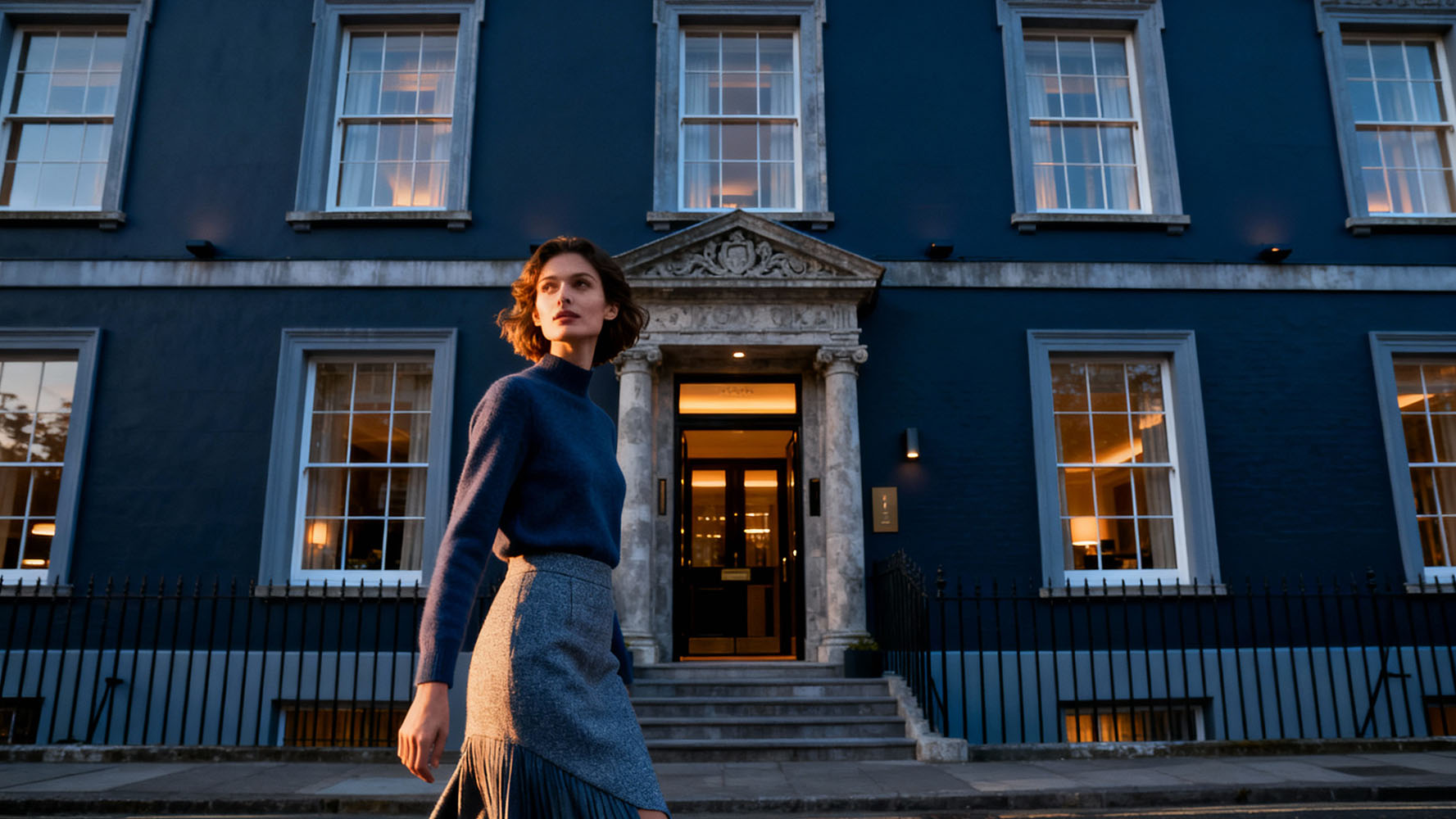
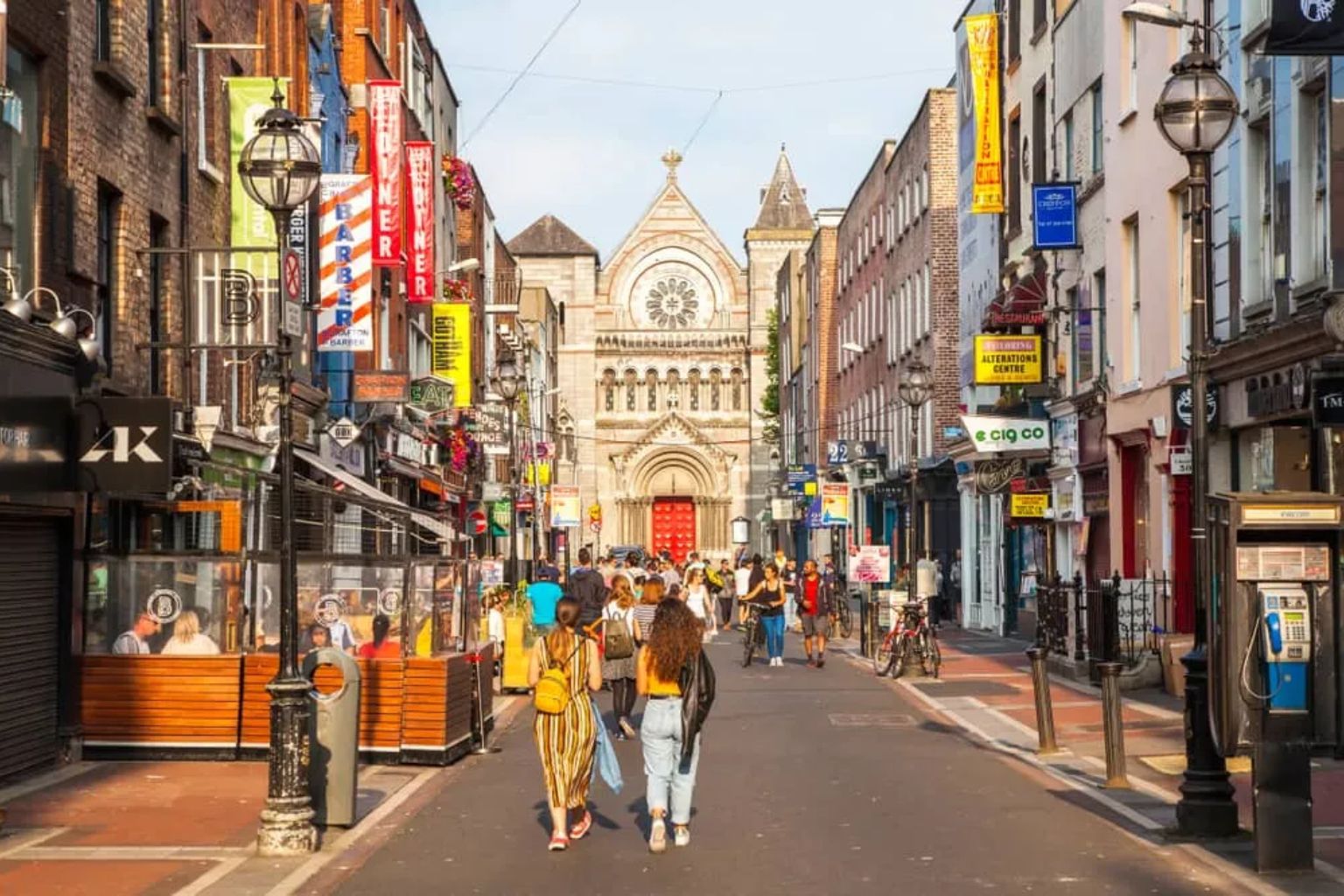
When you step into Hotel St. George, you step into the story of Dublin itself. Our hotel stands proudly on Parnell Square, the earliest of Dublin’s Georgian squares and the one that influenced many other grand spaces in the city. Staying here allows you to feel connected to the past, to the people who lived, built and shaped this historic part of Dublin. It is not just a place to sleep — it is a place to experience history.
A Home That Began in the Georgian Age
Our building, No. 7 Parnell Square East, holds a special place in the history of Dublin. It was built under one of the very first leases granted on the east side of the square. The house was brick-fronted, with stairs positioned to the rear and designed with both front and back parlours — a classic Georgian layout.
Map evidence shows that by the mid-nineteenth century, the house had been extended to the back along the west boundary. Later, in 1874, more changes and extensions were made by E.H. Carson. But long before that, the house had already begun its journey as a hotel.
A Hotel Since 1852 — A Story Still Alive Today
By 1852, No. 7 Parnell Square East was operating as a hotel, known then as Hotel St. George. Thom’s directory records that it was run by Miss K. Fennessey, valued at £110 and the property even extended into No. 8. The area around it was busy and active — messenger services operated from 7 Rutland Place West and the nearby lanes were filled with garages and workshops.
It is believed that the name “St George” came from the townland or borough covering the east side of the square, extending down to Gardiner Street and Parnell Street. The west side, by contrast, was known historically as “St Mary’s.” Even the name reflects the split character of old Dublin.
Residents, Stories & Historic Moments
Before the hotel period, this building was home to several notable figures, including Laughlin Daly — a barrister who received the early lease in 1753 — and later, Mr. Henry J. Baldwin QC, recorded here in 1845. Their presence reflects the importance and status of the house during that time.
The 1911 Census of Ireland reveals even more detail about our past. At that time, the building was still operating as a hotel but under another name — Conarchy’s Hotel, run by Margaret Agnes Conarchy. She lived here with her husband William, a commercial traveller and tobacco dealer, along with six children, four boarders and four servants.
The census describes the house as first-class, consisting of 25 rooms and ten front-facing windows — a grand size even for the era. No coach-houses or outbuildings were listed, which makes the structure we stand inside today even more remarkable in its scale and layout.
The Conarchy family strongly opposed the renaming of Rutland Square to Parnell Square, but history moved forward regardless — and the square carries the name we know today.
One more moment remains alive in our story — a historic photograph showing King George V and Queen Mary passing outside the building in July 1911. The image captures time, place and presence — and connects our doorway to a national memory.
Why Stay at a Georgian Hotel Dublin Today
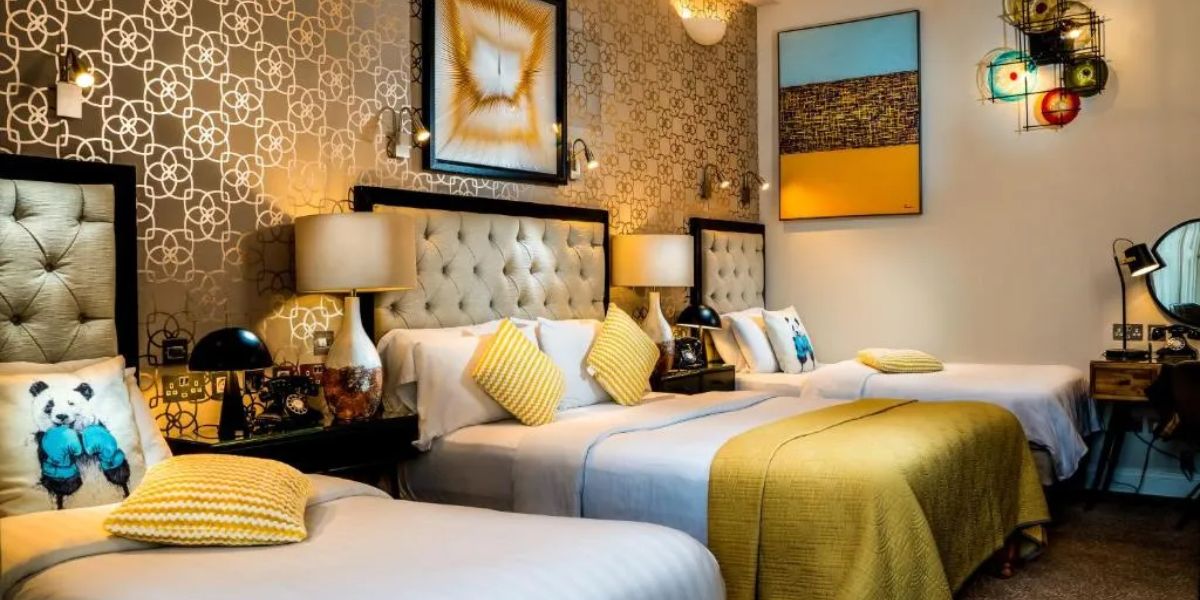
Choosing a Georgian Hotel Dublin like ours means choosing character, story and heritage. Here, you do not just see history — you sleep inside it. Every floorboard, every window, every view over Hotel Parnell Square carries the past forward into the present.
It is a place where elegance comes naturally. A place where Dublin’s roots are still visible.
A place that has welcomed guests for centuries — and still opens its doors each day with the same purpose.
FAQ — Hotel St. George, Parnell Square
When was the building constructed?
It was built under one of the first leases on Parnell Square East, in the Georgian period.
When did it become a hotel?
It has been recorded as a hotel since 1852, known as Hotel St. George.
Who owned or lived here historically?
Early figures include Laughlin Daly (1753) and later Mr. Henry J Baldwin QC (1845).
Was the hotel ever renamed?
Yes. In 1911 it was known as Conarchy’s Hotel, run by Margaret Agnes Conarchy.
Is there any royal connection to the building?
Yes — archives show King George V and Queen Mary passing outside in July 1911.